
The Importance of Safety Training
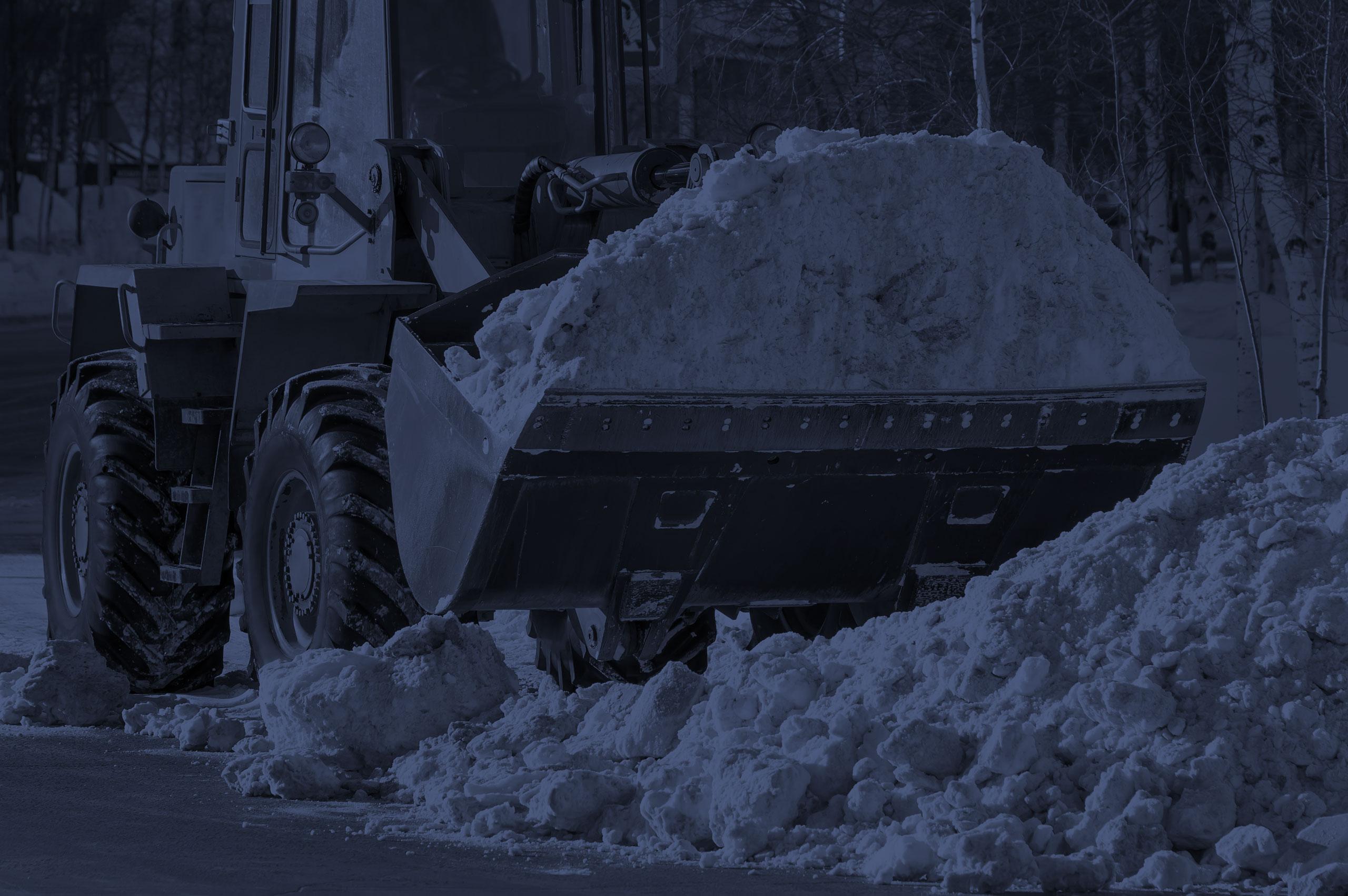
Snow removal is one of the most hazardous seasonal occupations. Workers face extreme cold, reduced visibility, heavy machinery, and high-pressure timelines.
Proper safety training reduces workplace incidents by up to 70% and significantly lowers insurance premiums.
Core Safety Protocols
Every snow removal operation should have documented safety protocols that cover the full range of hazards workers encounter.
- Vehicle pre-trip inspection requirements before every shift
- Personal protective equipment (PPE) standards including high-visibility clothing
- Communication protocols for crews working in low-visibility conditions
- Procedures for working near traffic, pedestrians, and structures
- Cold weather exposure limits and warming break schedules
- Emergency procedures for equipment failures and injuries
- Chemical handling procedures for salt and de-icing agents
New Operator Training Program
New operators should complete a structured training program before operating equipment independently.
Document all training with signed records. This protects your business legally and helps track each employee's competency level.
Ongoing Training and Refreshers
Safety training is not a one-time event. Schedule monthly safety meetings during the season and an annual refresher before each winter.
Keep up with evolving regulations and industry best practices.
Building a Safety Culture
The most effective safety programs go beyond checklists and rules. They create a culture where every team member feels responsible for safety and empowered to speak up about hazards.
Manage Team Training with FolloSoft
Track certifications, schedule training sessions, and ensure compliance with FolloSoft's crew management tools.
Book a Demo